Escrito por Steven E. Cowen, Esq.
Abogado, Debt Solution Law Group | Colegio de Abogados del Estado de California
#132988 | Biografía completa del abogado →
Qué Sucede con un Garante Personal Cuando Usted se Declara en Quiebra
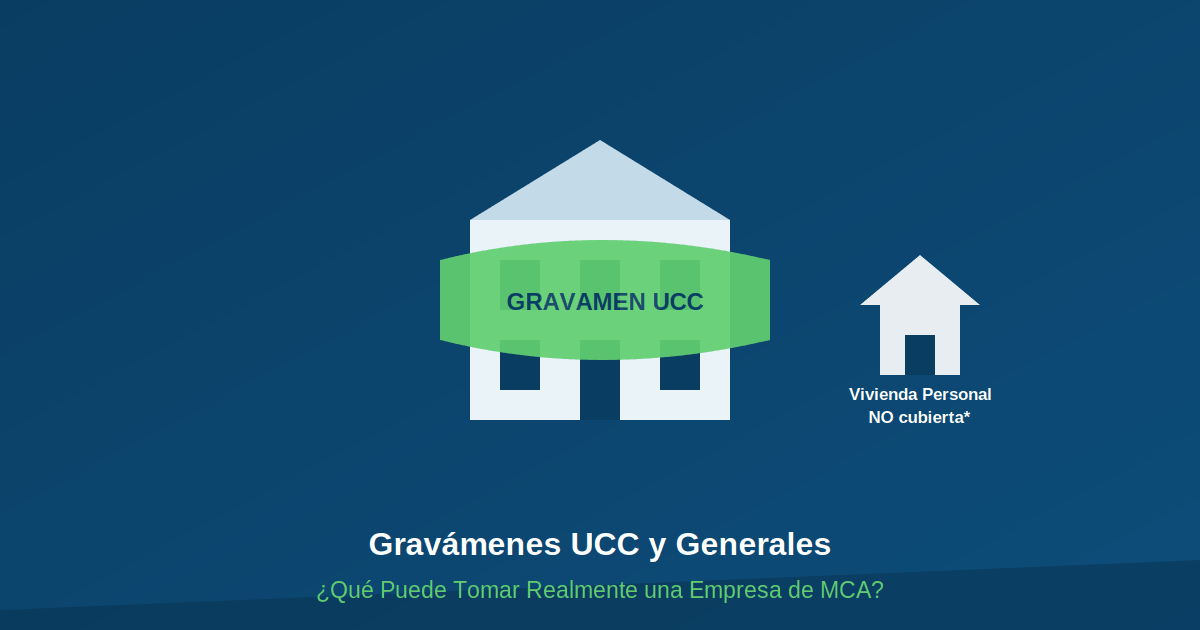
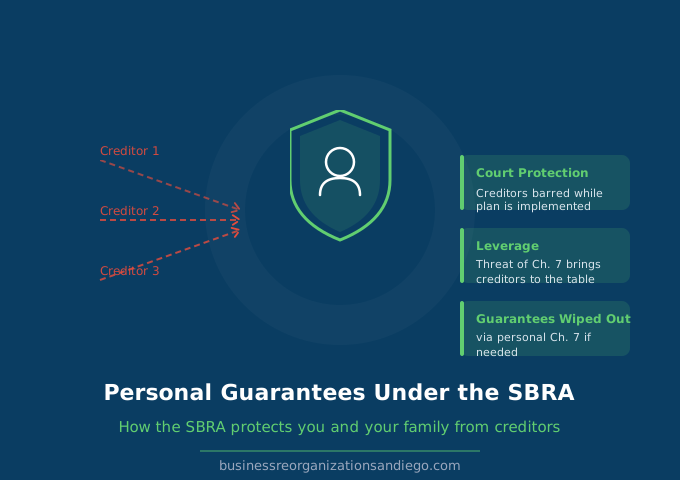
No todo está perdido si usted, un familiar o un amigo firmó garantías personales sobre la compra de equipo empresarial, líneas de crédito no garantizadas o arrendamientos. Primero, el tribunal puede — y por lo general lo hace — emitir una orden bajo la sección 105 del código que impide al acreedor perseguir al garante personal de la deuda mientras se elabora el plan de reorganización y mientras este se implementa. El razonamiento del tribunal es que los propósitos de la SBRA se verían frustrados, y en la práctica anulados, si el acreedor pudiera perseguir de inmediato al garante, ya que hacerlo le negaría al dueño del negocio la oportunidad de aprovechar una reorganización a la que tiene derecho conforme a la ley.
El Poder del Tribunal para Pausar el Cobro
En muchos casos, los acreedores también están dispuestos a no ejecutar las garantías personales a cambio de ciertas concesiones dentro del propio plan de reorganización. Tener el derecho de perseguir a un garante no es lo mismo que efectivamente cobrar. Es posible que el garante no cuente con bienes no exentos que perseguir. Para siquiera averiguar si el garante tiene liquidez, el acreedor debe demandar — y obtener esa sentencia puede tardar años. Además, contrario a la creencia popular, muchos acreedores quieren ver que el negocio tenga éxito y están dispuestos a negociar, especialmente si creen, o se les hace creer, que el garante mismo presentará una bancarrota personal para eliminar las garantías.
Cómo Esto Protege a la Familia y a los Seres Queridos
(blockquote) El monto de la exención de vivienda familiar (homestead) en California varía según el condado y se ajusta anualmente cada 1 de enero. En el sur de California, los montos de exención actuales incluyen aproximadamente $495,000 en el Condado de San Bernardino, $535,000 en el Condado de Riverside, y aproximadamente $743,861 en los Condados de San Diego, Los Ángeles, Orange y Ventura.
La Estrategia de Salida – Usar la Bancarrota Como Palanca
De acuerdo, presentar una bancarrota personal para salvar el negocio no es el resultado "ideal" — emocionalmente hablando. Pero usted no estaría en el mundo de los negocios si fuera de corazón débil, así que a veces lo que hay que hacer, hay que hacerlo.
¿Qué Preferiría Ver?
¿Qué preferiría usted: 1. Perder un negocio que realmente disfruta y después tener que declararse en bancarrota personal cuando los acreedores vengan por usted a causa de las garantías personales; o, 2. Salvar el negocio eliminando, reduciendo o reestructurando permanentemente la deuda, y anulando las garantías personales mediante una bancarrota personal, conservando probablemente todo lo que posee?
El Poder de Negociación de la Amenaza
Si percibe que existe una estrategia de salida, está en lo correcto. La amenaza de una bancarrota personal para anular las garantías personales le da al dueño del negocio una palanca de negociación — en muchos casos, considerable — para sentar al acreedor en la mesa de negociación. El resultado previsible: ninguna de las partes obtiene su "mejor escenario posible". El acreedor cobra más a través del plan de reestructuración de lo que cobraría sin las garantías personales. El dueño del negocio no logra toda la reducción de deuda que podría obtener sin las garantías personales, pero sí logra reducir la deuda al nivel en que los ingresos posteriores a la pandemia sean suficientes para volver a ser rentable.